Have you ever wondered why some lights make you feel cozy and ready for bed, while others keep you wide awake? The type of light in your environment plays a far more significant role in your sleep quality than you might realize. In our modern world, we’re constantly exposed to artificial lighting, often without considering its profound impact on our bodies’ natural rhythms. Understanding the difference between warm white and cool white light is crucial for creating a home environment that genuinely supports restful sleep and overall well-being.
This article will delve into the science behind light color and its effects on your sleep hygiene, helping you make informed choices about your home lighting to cultivate a healthier, more rejuvenating sleep routine.
Understanding Light Temperature and Sleep Hygiene
At its core, light is more than just illumination; it’s a powerful signal to our bodies. The “color” of white light isn’t about red, green, or blue, but rather its color temperature, measured in Kelvin (K). This scale describes how warm or cool a light appears.
What is Color Temperature?
Color temperature defines the hue of white light, ranging from warm, yellowish tones to cool, bluish ones.
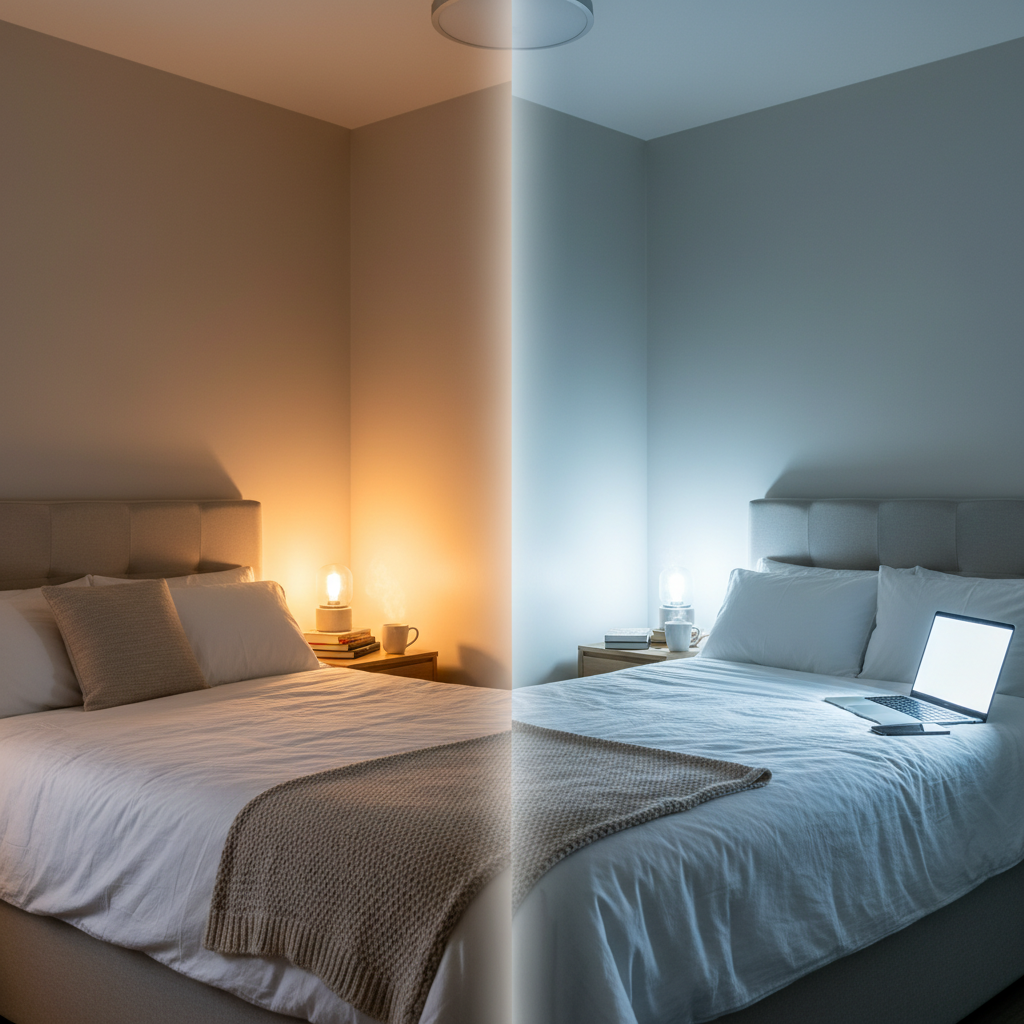
- Warm White Light: Typically falls in the range of 2700K to 3000K. It emits a soft, yellowish, or amber glow, reminiscent of natural candlelight or the warm light of a sunset. This creates a cozy, inviting, and relaxing atmosphere.
- Cool White Light: Usually ranges from 5000K to 6500K. It produces a brighter, crisp white light with a distinct bluish tint, closely mimicking natural daylight at noon. This type of light is often associated with alertness and focus.
|
Our Picks for the Best Touch sensor night light in 2026
As an Amazon Associate I earn from qualifying purchases.
|
||
| Num | Product | Action |
|---|---|---|
| 1 | Portable Baby Night Light, 3 Color Egg Lights for Nursery, 2400mAh, Small Rechargeable LED Lamp, Dimmable Touch Nightlight for Newborn, Toddler, Kids, Adults |

|
| 2 | UNIFUN Night Light, Touch Lamp for Bedrooms Living Room Portable Table Bedside Lamps with Rechargeable Internal Battery Dimmable 2800K-3100K Warm White Light & Color Changing RGB (Regular Size)… |
|
| 3 | RTSU Rechargeable Touch Light, DIY Stick Anywhere Led Night Light Touch Lamp Tap Light (Touch Sensor Switch, Stepless Dimmer, Last Setting Memory, Built-in Battery Powered, Warm White Light) |
|
| 4 | G Keni Nursery Night Light for Baby, Portable LED Touch Night Lamp for Kids and Adult, Breastfeeding, Sleep Aid, USB Rechargeable Nursing Lamp, Bedside Dimmable Warm Night Light, Soft Eye Caring |
|
| 5 | EverBrite Rechargeable Round Motion Sensor LED Night Light, Motion Activated LED Night Light with 3 Lighting Modes, Touch Control, 3 Color Temperatures & Dimmable, for Hallway, Bedroom, 2 Pack |
|
| 6 | RTSU Rechargeable Mini Touch Night Light, Wireless LED Lamp for Kids - Portable, Dimmable Nursery Lamp |
|
| 7 | Red Night Light for Sleep, 670nm Night Lamp with White Light 3000K-6500K & Timer, Portable Red Reading Light for Bedroom, Touch/Remote Control, 360° Illumination, Stepless Dimmable, Hangable |
|
| 8 | MediAcous Night Light for Kids, Baby Egg Light for Nursery, 7 Colors Changing & Stepless Dimming, Soft Silicone Touch Night Lamp with 1 Hour Timer, Rechargeable Nursery Night for Breastfeeding |
|
| 9 | Portable Baby Night Light, 3 Colors Egg Light for Nursery, Mini Bedside Table Lamp for Kids Adults, Touch Control & Eye Caring & Rechargeable Dimmable LED Lamp for Nursing, Boy, Girl, Toddler |
|
| 10 | JolyWell Night Light for Kids, Baby Night Light with 7 Colors Changing Mode & Stepless Dimming, Nursery Night Light BPA Free,Rechargeable Egg Night Light for Breastfeeding 1h Timer & Touch Control |
|
Sleep hygiene refers to a variety of practices and habits that are necessary to have good nighttime sleep quality and full daytime alertness. Environmental factors, including lighting, are a critical component of effective sleep hygiene.
The Science Behind Light and Sleep
Our bodies operate on a sophisticated 24-hour internal clock called the circadian rhythm, which dictates our sleep-wake cycle, hormone release, and other vital functions. This internal clock is heavily influenced by light exposure.
Circadian Rhythm and Melatonin Production
The primary driver of our sleep-wake cycle is the hormone melatonin. Melatonin levels naturally rise in the evening as it gets dark, signaling to your body that it’s time to prepare for sleep. Conversely, light exposure, particularly certain wavelengths, can suppress melatonin production, keeping you awake and alert.
How Light Disrupts or Supports Sleep
- Blue Light and Melatonin Suppression: Cool white light contains a higher concentration of blue light wavelengths. These wavelengths are particularly effective at signaling to the brain that it’s daytime, actively suppressing melatonin production. Exposure to cool white light in the evening can trick your body into thinking it’s still daytime, making it harder to fall asleep and disrupting the natural sleep cycle.
- Warm Light and Relaxation: In contrast, warm white light has fewer blue light wavelengths. Its soft, amber tones mimic the natural light conditions of sunset, which historically signaled to our ancestors that it was time to wind down. This type of light supports the natural increase of melatonin, promoting a sense of relaxation and preparing the body for sleep. Research, including studies by Harvard, has indicated that exposure to warm light in the evening can help individuals fall asleep more quickly, highlighting its benefits for bedtime routines.
Warm White Light: Your Ally for Restful Sleep
For optimal sleep hygiene, warm white light is your best companion, especially in the hours leading up to bedtime.
Characteristics and Benefits
Warm white light provides a gentle, yellowish glow that creates a deeply relaxing and cozy ambiance. This type of illumination is much easier on the eyes, reducing strain as your body prepares for rest. It fosters an environment that encourages calm, making it simpler to transition from an active day to a peaceful night. The psychological effect of warm light is one of comfort and warmth, which are conducive to relaxation.
Ideal Applications for Warm White Light
Warm white lighting is perfectly suited for spaces where relaxation and comfort are paramount:
- Bedrooms: Absolutely essential for bedside lamps, ceiling fixtures, and nightlights.
- Living Rooms: Helps create a soothing atmosphere for unwinding in the evening.
- Dining Areas: Contributes to a warm and inviting setting for meals and conversation.
- Relaxation Nooks: Any area where you read, meditate, or simply decompress.
Cool White Light: Enhancing Alertness (But Not for Bedtime)
While detrimental to sleep hygiene in the evening, cool white light has its place and benefits during the day.
Characteristics and Effects
Cool white light delivers a bright, crisp illumination with a noticeable bluish tint. Its energizing quality makes it excellent for boosting focus and productivity. It effectively suppresses melatonin, which is advantageous during waking hours when you need to be alert and concentrated. This type of light can make colors appear more vibrant and details sharper, making it suitable for task-oriented activities.
Ideal Applications for Cool White Light
Cool white lighting is best reserved for environments where visibility, alertness, and productivity are key:
- Offices and Workspaces: Promotes concentration and reduces fatigue during work hours.
- Kitchens: Provides clear visibility for cooking and other tasks, enhancing safety and precision.
- Bathrooms: Often preferred for grooming and cleaning tasks where bright, clear light is beneficial.
- Utility Rooms and Garages: Ideal for tasks requiring high visual acuity.
Choosing the Right Light for Different Rooms
Strategic lighting choices can significantly enhance your home’s functionality and contribute to better sleep hygiene.
Bedroom Lighting Strategy
For bedrooms, prioritize warm white light sources, ideally with dimming capabilities. This allows you to gradually reduce light intensity and shift to warmer tones as bedtime approaches, mimicking the natural sunset. Avoid overhead cool white lights, as they can disrupt your body’s natural melatonin production. Opt for bedside lamps with warm white bulbs and consider smart bulbs that allow you to adjust both brightness and color temperature.
Living Room Flexibility
In living rooms, you might want more flexibility. Consider layered lighting, combining warm white ambient lighting with task lighting that can be cooler if needed for specific activities (like reading). Smart lighting systems are excellent here, as they allow you to tune the white light from cool to warm, adapting to different times of day and activities.
Kitchen, Bathroom, and Office Considerations
While cool white light is often preferred in these task-oriented areas, be mindful of your exposure in the evening. If you spend significant time in your kitchen or office after dark, consider implementing warmer, dimmable light sources or using smart bulbs that can switch to warmer tones as the evening progresses. For bathrooms, a main cool white light might be fine for morning routines, but a separate, dim warm white night light can be invaluable for nighttime visits without shocking your system into alertness.
Special Considerations for Optimal Sleep
Beyond fixed light fixtures, other sources of light impact your sleep.
Children’s Rooms and Night Lights
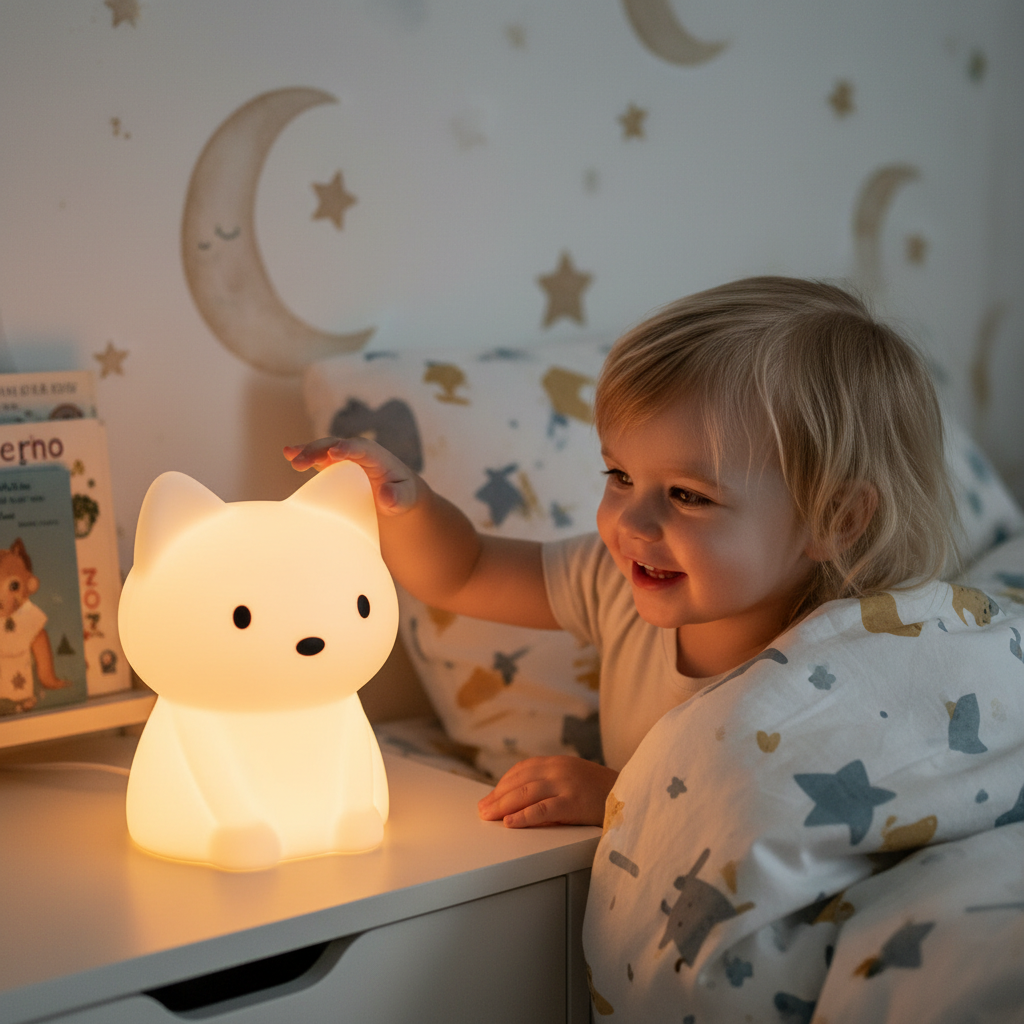
Children are particularly sensitive to blue and white light before bed. Experts generally recommend using very dim, warm-colored night lights in children’s rooms. While some studies suggest even yellow light can suppress melatonin in children more than adults, the consensus remains that warmer, dimmer options are far superior to cool white or bright lights for fostering sleep.
The Rise of Smart Lighting
Smart lighting technology offers unparalleled control over your home’s illumination. Tunable white light bulbs allow you to adjust the color temperature from cool to warm, dynamically matching the natural light cycle throughout the day. This can be a powerful tool for supporting your circadian rhythm, providing energizing cool light during the day and soothing warm light in the evening.
Avoiding Blue Light from Electronic Devices
Even with perfect room lighting, exposure to blue light from smartphones, tablets, computers, and TVs before bed can wreak havoc on your sleep. These devices emit significant amounts of blue light. It’s advisable to cease using electronic screens at least an hour, preferably two, before bedtime or to use blue light filtering settings or glasses.
“The subtle shift in light color can profoundly impact our internal clock. Choosing warm, dim lighting in the evening is one of the simplest yet most effective ways to tell your body it’s time to rest.” – Dr. Anya Sharma, Sleep Research Specialist
Conclusion
The battle between warm white and cool white light isn’t about one being inherently “better” than the other, but rather about understanding their respective roles in influencing your body’s natural rhythms. For optimal sleep hygiene, embracing warm white light in the evening hours and reserving cool white light for daytime tasks can be a game-changer. By making conscious choices about the color temperature of your lighting, you create an environment that works in harmony with your circadian rhythm, promoting deeper relaxation and more restorative sleep.
How will you transform your home’s lighting to enhance your journey to a more restful night?
Frequently Asked Questions
What Kelvin temperature is best for sleep?
For optimal sleep, a color temperature in the warm white range of 2700K to 3000K is generally recommended. This soft, yellowish light mimics natural sunset hues, signaling to your body that it’s time to produce melatonin and prepare for rest, thereby supporting your natural sleep cycle.
Does warm white light help you sleep better?
Yes, warm white light can significantly help improve sleep quality. Its lower blue light content supports the natural release of melatonin, the sleep hormone, fostering relaxation and making it easier to fall asleep. Studies have shown individuals fall asleep faster under warm light conditions.
Why is blue light bad for sleep?
Blue light is detrimental to sleep because it strongly suppresses melatonin production. When exposed to blue light, particularly from cool white lighting and electronic screens in the evening, your brain interprets it as daytime, which delays the onset of sleep and can disrupt your overall circadian rhythm.
Can I use cool white light in my bedroom?
While you can use cool white light in your bedroom, it is strongly advised against, especially in the evening. Cool white light’s high blue light content can suppress melatonin and keep you alert, making it harder to fall asleep and achieve restful sleep. It’s best reserved for areas where alertness is desired.