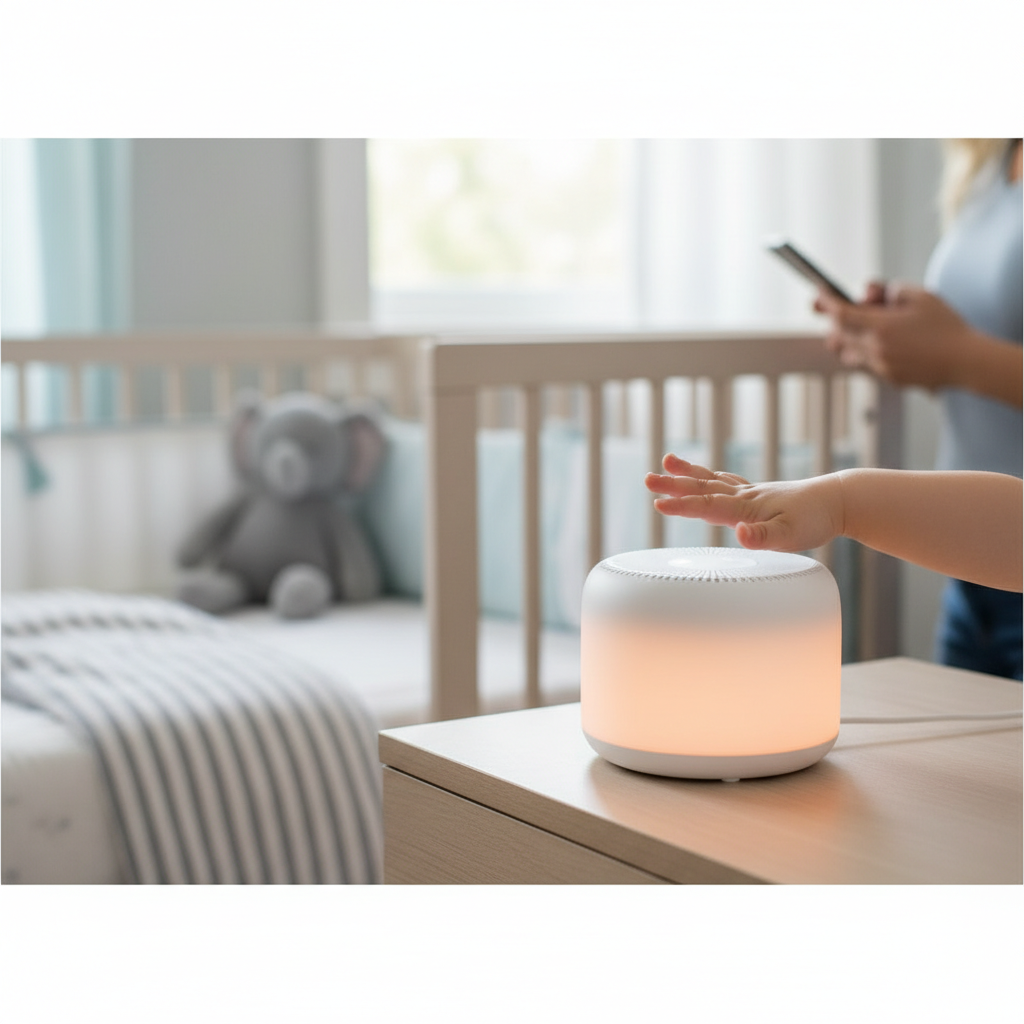
In the evolving world of smart home technology, choosing the right lighting can significantly enhance comfort, efficiency, and safety. Two prominent contenders in automated and interactive lighting are motion sensor lights and touch sensor lights. While both aim to simplify your daily routines, their underlying technology and ideal applications differ greatly. Understanding these distinctions is key to selecting the perfect lighting solution for your specific needs, transforming how you illuminate your living spaces.
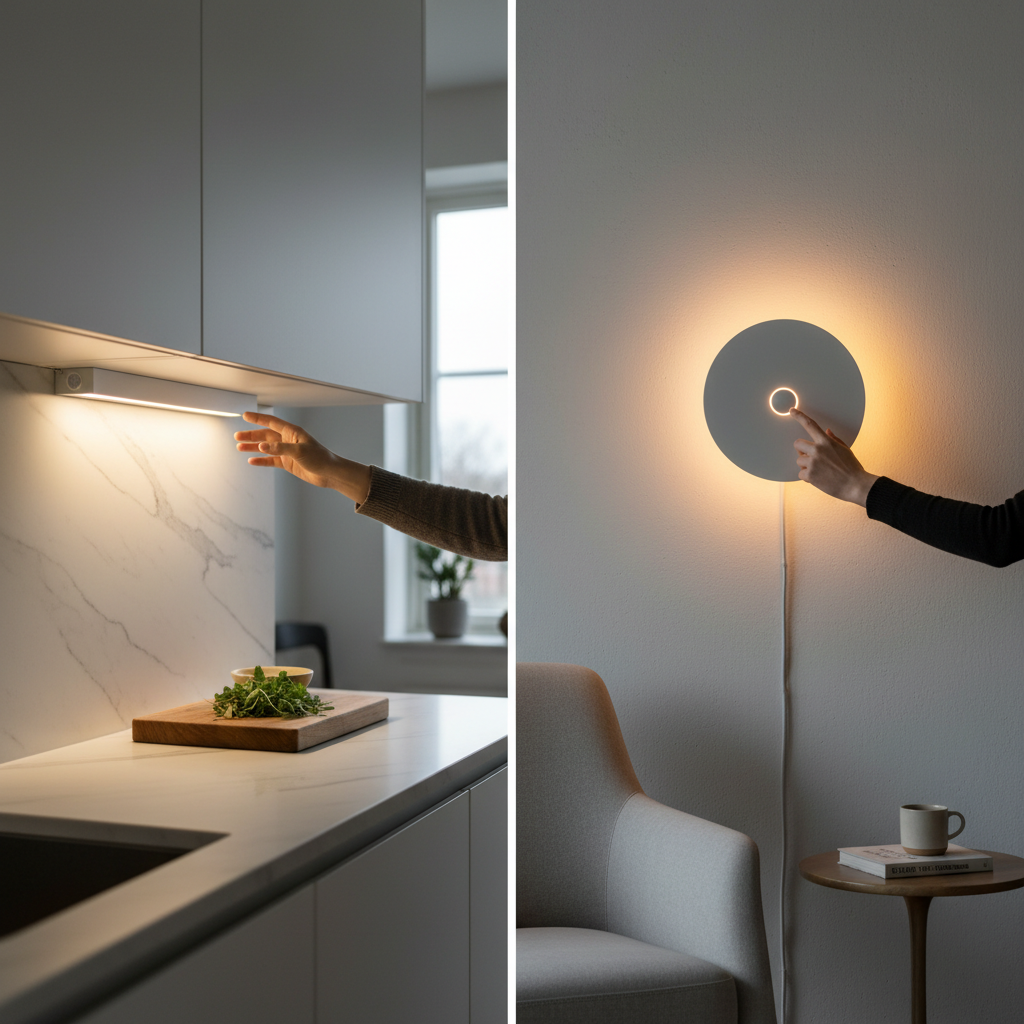
What are Smart Sensor Lights?
Smart sensor lights utilize advanced technology to react to their environment or direct user input, offering a more dynamic and responsive lighting experience than traditional switches. These lights can automate illumination, enhance convenience, and contribute to energy conservation.
Motion Sensor Lights
Motion sensor lights automatically turn on when they detect movement within a designated area and typically switch off after a period of inactivity. They are a staple in security and energy-efficient lighting.
- Definition and Working Principle: Motion sensors primarily use Passive Infrared (PIR) or microwave technology. PIR sensors detect changes in infrared radiation (heat) emitted by moving objects like people or animals. Microwave sensors emit radio waves and detect disturbances in these waves caused by movement. When motion is detected, the sensor triggers the light to illuminate.
- Types of Motion Sensor Technologies:
- Passive Infrared (PIR) Sensors: Most common, detect heat changes, ideal for human and animal movement.
- Microwave Sensors: Emit radio waves, can detect movement through some walls, suitable for larger or more complex areas.
- Ultrasonic Sensors: Emit sound waves and measure changes in reflected sound, also used to detect movement.
|
Our Picks for the Best Touch sensor night light in 2026
As an Amazon Associate I earn from qualifying purchases.
|
||
| Num | Product | Action |
|---|---|---|
| 1 | Portable Baby Night Light, 3 Colors Egg Light for Nursery, Mini Bedside Table Lamp for Kids Adults, Touch Control & Eye Caring & Rechargeable Dimmable LED Lamp for Nursing, Boy, Girl, Toddler |

|
| 2 | MediAcous Night Light for Kids, Baby Egg Light for Nursery, 7 Colors Changing & Stepless Dimming, Soft Silicone Touch Night Lamp with 1 Hour Timer, Rechargeable Nursery Night for Breastfeeding |
|
| 3 | RTSU Rechargeable Touch Light, DIY Stick Anywhere Led Night Light Touch Lamp Tap Light (Touch Sensor Switch, Stepless Dimmer, Last Setting Memory, Built-in Battery Powered, Warm White Light) |
|
| 4 | RTSU Rechargeable Mini Touch Night Light, Wireless LED Lamp for Kids - Portable, Dimmable Nursery Lamp |
|
| 5 | JolyWell Night Light for Kids, Baby Night Light with 7 Colors Changing Mode & Stepless Dimming, Nursery Night Light BPA Free,Rechargeable Egg Night Light for Breastfeeding 1h Timer & Touch Control |
|
| 6 | UNIFUN Night Light, Touch Lamp for Bedrooms Living Room Portable Table Bedside Lamps with Rechargeable Internal Battery Dimmable 2800K-3100K Warm White Light & Color Changing RGB (Regular Size)… |
|
| 7 | EverBrite Rechargeable Round Motion Sensor LED Night Light, Motion Activated LED Night Light with 3 Lighting Modes, Touch Control, 3 Color Temperatures & Dimmable, for Hallway, Bedroom, 2 Pack |
|
| 8 | Red Night Light for Sleep, 670nm Night Lamp with White Light 3000K-6500K & Timer, Portable Red Reading Light for Bedroom, Touch/Remote Control, 360° Illumination, Stepless Dimmable, Hangable |
|
| 9 | G Keni Nursery Night Light for Baby, Portable LED Touch Night Lamp for Kids and Adult, Breastfeeding, Sleep Aid, USB Rechargeable Nursing Lamp, Bedside Dimmable Warm Night Light, Soft Eye Caring |
|
| 10 | Portable Baby Night Light, 3 Color Egg Lights for Nursery, 2400mAh, Small Rechargeable LED Lamp, Dimmable Touch Nightlight for Newborn, Toddler, Kids, Adults |
|
Ambient Light Sensor Lights
Often confused with tactile touch sensors, ambient light sensor lights respond to the natural light levels in their environment. They provide automatic lighting based on the surrounding brightness.
- Definition and Working Principle: An ambient light sensor (also known as a photocell or dusk-to-dawn sensor) contains a photoresistor or photodiode that measures the intensity of ambient light. When the environmental light falls below a preset threshold (e.g., at dusk), the light automatically turns on. Conversely, it turns off when the light intensity rises (e.g., at dawn).
- Common Applications: Often integrated into outdoor security lights, night lights, or smart bulbs to ensure lights are only active when natural light is insufficient.
Tactile Touch Sensor Lights
Tactile touch sensor lights are activated and controlled by direct physical contact with the light fixture itself. They offer a hands-on, intuitive way to manage your illumination.
- Definition and Working Principle: These lights typically use capacitive or resistive touch technology. A capacitive touch sensor detects changes in an electrical field when a conductive object (like a finger) touches its surface. Resistive sensors work by detecting pressure when two conductive layers make contact. A simple tap can turn the light on/off, while holding a touch often enables dimming or color temperature adjustments.
- User Interaction: Control is entirely manual and localized, requiring a direct physical interaction with the device.
Benefits of Each Type
Each sensor light offers unique advantages tailored to different lifestyles and environments.
Benefits of Motion Sensor Lights
Motion sensor lights excel in scenarios demanding automation, security, and energy conservation without manual intervention.
- Convenience and Hands-Free Operation: They automatically light up dark paths, bathrooms, or entryways as you approach, eliminating the need to search for switches in the dark or when your hands are full.
- Energy Efficiency: By ensuring lights are only on when needed, motion sensors significantly reduce electricity consumption. This prevents lights from being left on unnecessarily, leading to lower utility bills and a smaller carbon footprint.
- Enhanced Safety and Security: Sudden illumination can deter potential intruders, making them ideal for outdoor security or entry points. Indoors, they prevent accidents by lighting up stairs or hallways for children and the elderly.
Benefits of Ambient Light Sensor Lights
Ambient light sensors offer seamless, automatic lighting adjustments based on natural conditions.
- Automated and Effortless: They provide a “set-it-and-forget-it” solution, automatically activating at dusk and deactivating at dawn. This is perfect for continuous, low-level nighttime illumination.
- Energy Savings: By only operating when natural light is insufficient, these lights prevent wasteful illumination during daylight hours.
- Seamless Integration: They blend into the background, providing light only when necessary without requiring human interaction or detecting movement.
Benefits of Tactile Touch Sensor Lights
Tactile touch sensor lights offer direct and intuitive control, often with a sleek, minimalist design.
- Direct and Intuitive Control: A simple tap or touch provides immediate and precise command over the light, ideal for personal spaces where direct interaction is preferred.
- Simplicity and User-Friendliness: Their operation is straightforward, making them easy for all ages to use without complex settings or remote controls.
- Aesthetic Integration: Many touch sensor lights boast modern, minimalist designs, often eliminating visible switches for a cleaner look.
Factors to Consider When Choosing Your Sensor Light
Selecting the ideal sensor light involves weighing several factors against your specific requirements.
Use Case and Location
Consider where the light will be placed and its primary function.
- Hallways, Stairs, Closets, Garages: Motion sensor lights are excellent here for hands-free, temporary illumination.
- Bedside, Desk, Decorative Areas: Tactile touch lights offer personalized control and aesthetic appeal.
- Bedrooms (for gentle ambient light), Outdoor Security, Pathways: Ambient light sensor lights provide consistent, automated illumination during dark hours.
Desired Control Method
Do you prefer complete automation or direct interaction?
- Fully Automatic (based on movement): Motion sensors.
- Fully Automatic (based on ambient light): Ambient light sensors.
- Manual (direct interaction): Tactile touch sensors.
Energy Efficiency
While all sensor lights aim to be more efficient than continuously-on lights, their mechanisms vary.
- Motion Sensor Lights: Save energy by only activating when needed, but constantly scan, leading to minimal “phantom energy” consumption.
- Ambient Light Sensor Lights: Highly energy-efficient as they only operate during dark periods, consuming almost no power during daylight.
- Tactile Touch Sensor Lights: Consume power only when actively on; no continuous sensing when off.
Response Time and Sensitivity
How quickly do you need the light to respond, and how accurately?
- Motion Sensor Lights: Offer fast response times, illuminating almost instantly upon detecting movement. Their sensitivity can often be adjusted.
- Ambient Light Sensor Lights: Have a slower response time, as they wait for significant changes in ambient light levels.
- Tactile Touch Sensor Lights: Instantaneous response to direct physical contact.
False Triggers
Unwanted activation can be frustrating.
- Motion Sensor Lights: Can sometimes be triggered by pets, curtains moving in a breeze, or passing vehicles if sensitivity is too high or placement is poor.
- Ambient Light Sensor Lights: Less prone to “false triggers” from movement, but can sometimes be affected by external light sources if not calibrated correctly.
- Tactile Touch Sensor Lights: Practically immune to false triggers as they require direct physical contact.
Power Source
Consider installation and maintenance.
- Wired Lights: Provide consistent power but require installation.
- Battery-Operated Lights: Offer flexibility and portability but require periodic battery replacement. Motion sensors, due to continuous scanning, may have shorter battery life than battery-operated tactile or ambient lights.
Comparing Motion, Ambient Light, and Tactile Touch Sensor Lights
| Feature | Motion Sensor Light | Ambient Light Sensor Light | Tactile Touch Sensor Light |
|---|---|---|---|
| Trigger Mechanism | Detects physical movement (PIR, microwave, ultrasonic) | Detects ambient light intensity (photoresistor) | Detects direct physical contact (capacitive/resistive) |
| Control Method | Fully automatic | Fully automatic (dusk-to-dawn) | Manual (tap, hold) |
| Ideal Use Cases | Hallways, stairs, closets, security, bathrooms, kitchens | Bedrooms, outdoor pathways, night lights | Bedside lamps, desk lamps, decorative accents, personal spaces |
| Response Time | Fast, almost instant upon movement | Slow, dependent on significant light change | Instantaneous upon touch |
| Energy Consumption | Efficient (on-demand), minimal standby draw | Very efficient (only on in darkness) | Efficient (only on when touched), no standby sensing |
| False Triggers | Possible (pets, environmental factors) | Low (can be affected by external light sources) | Virtually none (requires direct contact) |
| Hygiene (hands-free) | High | High | Low (requires physical contact) |
“The ideal sensor light isn’t about superior technology, but about superior application. Matching the sensor’s functionality to the specific user need and environment is where true innovation shines.” – Dr. Elena Petrova, Lighting Automation Specialist
How to Choose the Right Sensor Light for Your Needs
Making the best choice comes down to your priorities for each specific area.
For High-Traffic Areas and Enhanced Safety
If you need hands-free illumination in areas like hallways, stairwells, pantries, or entryways, a motion sensor light is the optimal choice. It ensures light is available precisely when and where it’s needed, preventing trips and falls, and offering an extra layer of security. For spaces where hygiene is a priority, such as kitchens or bathrooms, hands-free operation is also a significant benefit.
For Bedside or Direct Personal Control
For a more intimate and customizable lighting experience, particularly in bedrooms, nurseries, or on a desk, a tactile touch sensor light is often preferred. They offer direct, intuitive control over brightness and often color, allowing you to easily adjust the ambiance without fumbling for switches. They are perfect when you want precise control over your personal space’s lighting.
For Ambient Lighting Control and Continuous Nighttime Illumination
If your primary goal is automated, gentle lighting that responds to the natural light cycle, an ambient light sensor light is ideal. These are excellent for creating a consistent, low-level glow in children’s rooms, providing soft guidance in dimly lit corridors throughout the night, or ensuring outdoor lights come on reliably at dusk. They offer seamless background illumination without any thought or interaction.
Conclusion
The choice between motion sensor, ambient light sensor, and tactile touch sensor lights boils down to understanding their distinct functions and aligning them with your personal preferences and the specific demands of your living spaces. Motion sensors provide unparalleled convenience and safety in high-traffic areas, automatically illuminating your path and deterring unwanted guests. Ambient light sensors offer effortless automation, conserving energy by adjusting to natural light cycles, perfect for consistent nighttime illumination. Tactile touch sensors, on the other hand, deliver intuitive, direct control and a sleek aesthetic, ideal for personalized spaces where hands-on interaction is desired.
Ultimately, by considering your routines, desired level of automation, and specific room requirements, you can select the sensor light that truly enhances your home. Which sensing technology will brighten your life most effectively?
Câu Hỏi Thường Gặp
How do motion sensor lights contribute to energy savings?
Motion sensor lights save energy by ensuring illumination only occurs when movement is detected. They prevent lights from being left on unnecessarily in unoccupied rooms or areas, significantly reducing electricity consumption compared to traditional lights that operate continuously. This on-demand lighting approach minimizes energy waste and lowers utility bills.
Can touch sensor lights be dimmed or change color?
Yes, many tactile touch sensor lights offer advanced functionalities beyond simple on/off control. Depending on the model, they can allow users to dim the light by holding their touch on the sensor, cycle through different brightness levels with multiple taps, or even change light colors to suit various moods and preferences.
Are ambient light sensor night lights suitable for a child’s bedroom?
Ambient light sensor night lights can be an excellent choice for a child’s bedroom, providing a gentle, consistent glow during the night without requiring any interaction. They automatically turn on as the room darkens and off as it brightens, offering reassurance and soft illumination without disturbing sleep or requiring manual operation.
What are the main types of motion sensor technologies used in lighting?
The two main types of motion sensor technologies commonly used in lighting are Passive Infrared (PIR) and Microwave sensors. PIR sensors detect heat changes from moving objects, while Microwave sensors emit radio waves and detect disturbances caused by movement. Both are effective, but their detection patterns and optimal use cases differ.
Do motion sensor lights work in complete darkness?
Yes, motion sensor lights are designed to work effectively in complete darkness. Their sensors (PIR, microwave, or ultrasonic) detect movement based on heat signatures or wave disturbances, not ambient light. In fact, many motion sensor lights are combined with an ambient light sensor to ensure they only activate when it’s dark and motion is present.