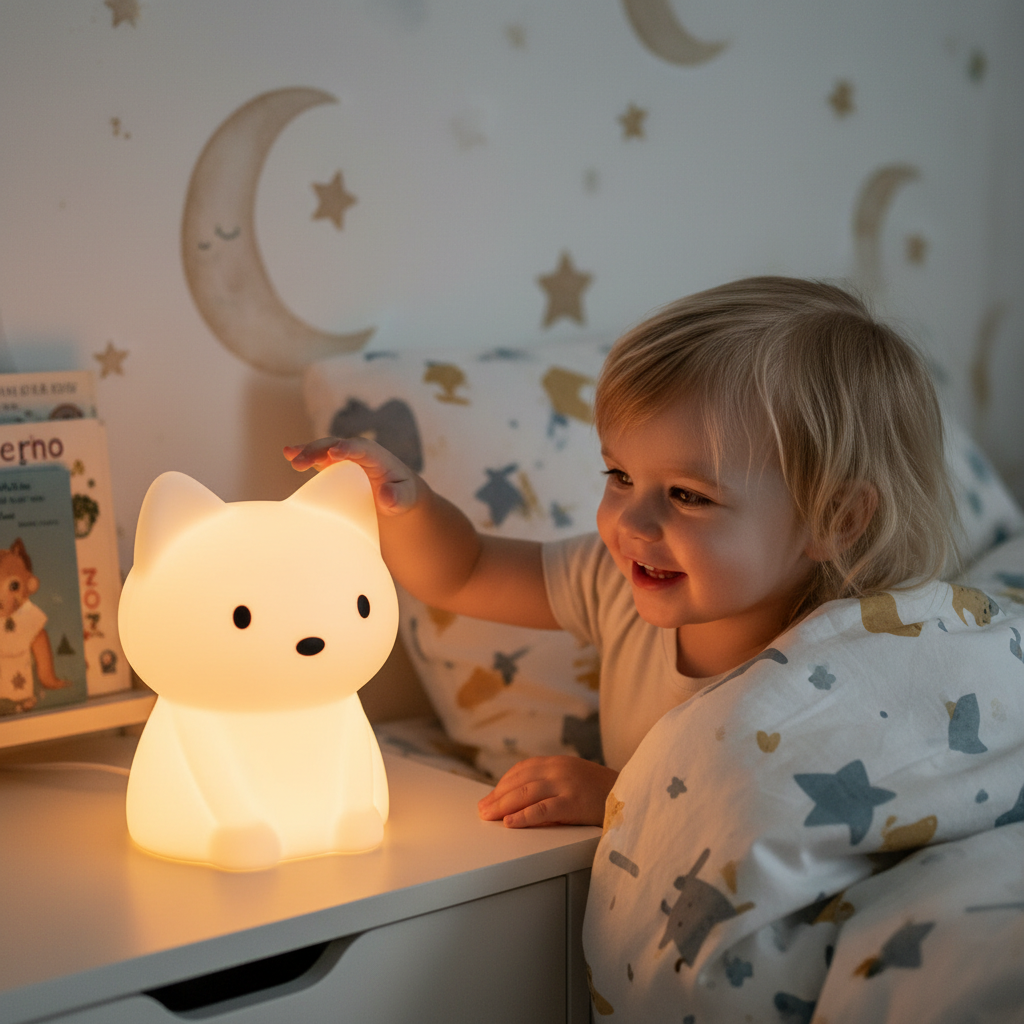
Silicone night lights have become a staple in many homes, cherished for their soft touch, adorable designs, and comforting glow. Whether it’s a friendly animal illuminating a child’s bedroom or a minimalist sphere adding ambiance to an adult space, these flexible, durable lights bring joy and utility. But like any beloved item, they accumulate dust, dirt, and grime over time, threatening to dim their charm. Maintaining their pristine condition isn’t just about aesthetics; proper cleaning ensures longevity and optimal performance. Let’s delve into the best practices for cleaning your silicone night light, keeping it hygienic and illuminating your nights brightly for years to come.
What Are Silicone Night Lights?
Silicone night lights are popular for their inherent safety, durability, and appealing designs. Made from a flexible silicone material, these lights are typically soft to the touch, making them ideal for nurseries and children’s rooms where safety is paramount. Beyond their tactile appeal, silicone’s natural resistance to heat and some chemicals contributes to their robust nature.
Regular cleaning and maintenance are crucial for these devices. Neglecting to clean your silicone night light can lead to a build-up of dust, sticky residues, and stains, which not only detracts from its appearance but can also impact its light output and overall functionality. A clean night light performs better, shines brighter, and avoids potential issues caused by dirt and grime accumulation, thereby prolonging its useful life.
Essential Cleaning Supplies You’ll Need
Keeping your silicone night light sparkling clean doesn’t require an arsenal of specialized products. In fact, many of the best cleaning agents are likely already in your home. Gather these simple items to start your cleaning routine:
- Mild Dish Soap: Gentle dish soap is perfect for cutting through everyday grease and grime without damaging the silicone.
- Warm Water: Used with dish soap to create an effective cleaning solution.
- Soft Cloths or Microfiber Towels: Essential for wiping surfaces gently without scratching.
- Soft-Bristle Toothbrush: Ideal for reaching into small crevices or tackling stubborn spots without abrasion.
- Baking Soda (Optional for Stains): A gentle abrasive that works wonders on tougher, localized stains.
- White Distilled Vinegar (Optional for Stains): When diluted, it can help remove residues and some discoloration.
Step-by-Step Guide to Cleaning Your Silicone Night Light
Ready to restore your night light to its former glory? Follow these simple steps for a safe and effective cleaning process.
Preparation: Safety First
|
Our Picks for the Best Touch sensor night light in 2026
As an Amazon Associate I earn from qualifying purchases.
|
||
| Num | Product | Action |
|---|---|---|
| 1 | RTSU Rechargeable Mini Touch Night Light, Wireless LED Lamp for Kids - Portable, Dimmable Nursery Lamp |

|
| 2 | MediAcous Night Light for Kids, Baby Egg Light for Nursery, 7 Colors Changing & Stepless Dimming, Soft Silicone Touch Night Lamp with 1 Hour Timer, Rechargeable Nursery Night for Breastfeeding |
|
| 3 | G Keni Nursery Night Light for Baby, Portable LED Touch Night Lamp for Kids and Adult, Breastfeeding, Sleep Aid, USB Rechargeable Nursing Lamp, Bedside Dimmable Warm Night Light, Soft Eye Caring |
|
| 4 | UNIFUN Night Light, Touch Lamp for Bedrooms Living Room Portable Table Bedside Lamps with Rechargeable Internal Battery Dimmable 2800K-3100K Warm White Light & Color Changing RGB (Regular Size)… |
|
| 5 | JolyWell Night Light for Kids, Baby Night Light with 7 Colors Changing Mode & Stepless Dimming, Nursery Night Light BPA Free,Rechargeable Egg Night Light for Breastfeeding 1h Timer & Touch Control |
|
| 6 | RTSU Rechargeable Touch Light, DIY Stick Anywhere Led Night Light Touch Lamp Tap Light (Touch Sensor Switch, Stepless Dimmer, Last Setting Memory, Built-in Battery Powered, Warm White Light) |
|
| 7 | EverBrite Rechargeable Round Motion Sensor LED Night Light, Motion Activated LED Night Light with 3 Lighting Modes, Touch Control, 3 Color Temperatures & Dimmable, for Hallway, Bedroom, 2 Pack |
|
| 8 | Red Night Light for Sleep, 670nm Night Lamp with White Light 3000K-6500K & Timer, Portable Red Reading Light for Bedroom, Touch/Remote Control, 360° Illumination, Stepless Dimmable, Hangable |
|
| 9 | Portable Baby Night Light, 3 Colors Egg Light for Nursery, Mini Bedside Table Lamp for Kids Adults, Touch Control & Eye Caring & Rechargeable Dimmable LED Lamp for Nursing, Boy, Girl, Toddler |
|
| 10 | Portable Baby Night Light, 3 Color Egg Lights for Nursery, 2400mAh, Small Rechargeable LED Lamp, Dimmable Touch Nightlight for Newborn, Toddler, Kids, Adults |
|
Before you begin any cleaning, the most important step is ensuring the night light is completely powered down. Always unplug the device from its power source or remove its batteries to prevent any electrical hazards or damage during cleaning. Safety should always be your top priority.
Basic Cleaning for Dust and Dirt
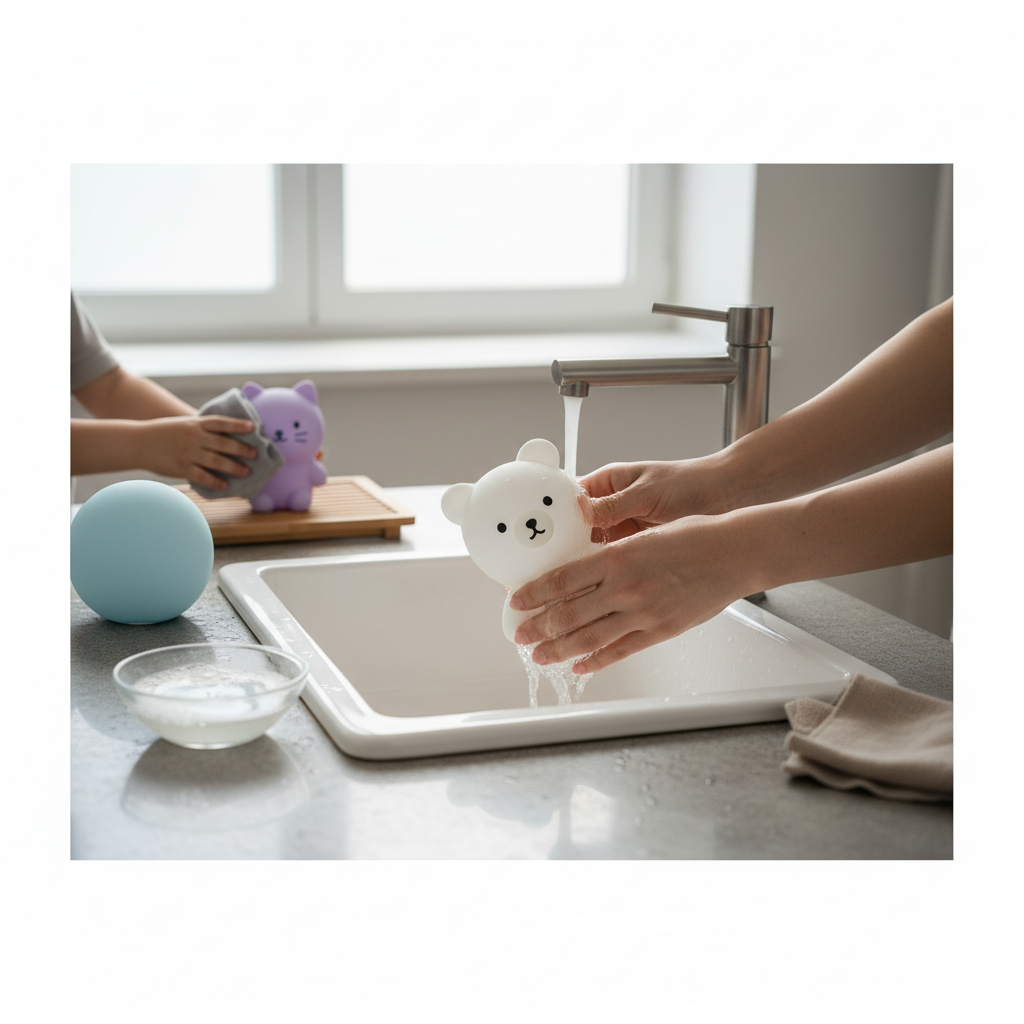
For routine cleaning and to remove general dust and light smudges, a mild solution is all you need.
- Prepare the Solution: In a small bowl, mix a few drops of gentle dish soap with warm water.
- Dampen the Cloth: Dip a soft cloth or microfiber towel into the soapy water, then wring it out thoroughly until it’s just damp, not dripping. Excess water can be harmful to the internal electronics.
- Wipe Gently: Carefully wipe down the entire silicone surface of your night light. Pay attention to any fingerprints, dust, or slightly sticky areas. Ensure you avoid getting water into any openings, such as USB charging ports or battery compartments.
- Rinse (Optional, if needed): If there’s any soap residue, lightly dampen a new, clean cloth with plain water and gently wipe the surface again.
Tackling Stubborn Stains
Sometimes, basic wiping isn’t enough for those tougher marks or discoloration. Here’s how to address more persistent stains:
- Baking Soda Paste for Localized Stains: For stubborn spots, create a thick paste by mixing baking soda with a small amount of water. Apply this paste directly to the stained area. Using a soft-bristle toothbrush, gently rub the paste into the stain. Rinse the area carefully with a damp cloth, ensuring no paste residue remains and no water enters electrical components.
- Diluted Vinegar for Residue and Mild Discoloration: If you notice a hazy residue or minor discoloration, a diluted white vinegar solution can be effective. Mix equal parts white distilled vinegar and water. Dampen a soft cloth with this solution and wipe the affected areas. Let it sit for a few minutes (avoid prolonged soaking), then wipe clean with a plain damp cloth and dry thoroughly.
Drying Properly
Thorough drying is just as critical as cleaning. Any moisture left behind can lead to water damage or mildew growth, especially in hard-to-reach areas.
- Immediate Wipe Down: After cleaning, immediately use a clean, dry microfiber cloth to wipe off all moisture from the silicone surface.
- Air Dry: Allow the night light to air dry completely for several minutes before plugging it back in or reinserting batteries. You can also gently fan it or place it in a well-ventilated area to speed up the process.
What to Avoid: Common Cleaning Mistakes
Knowing what not to do is crucial for the longevity of your silicone night light. Avoiding these common mistakes will protect both the silicone material and its delicate electronics.
- Harsh Chemicals and Abrasives: Steer clear of bleach, alcohol-based cleaners, ammonia, acetone, petroleum-based solvents, or any abrasive cleaning powders. These substances can degrade the silicone, cause discoloration, make it brittle, or even damage the LED components inside.
- Soaking the Entire Unit: While silicone itself is water-resistant, the electronic components are not. Never submerge or rinse your entire night light under running water, as this can lead to irreversible damage to the battery or LED setup.
- Rough Scrubbing Tools: Avoid using abrasive sponges, stiff brushes, or steel wool. These can scratch, tear, or wear down the soft silicone surface. Always opt for soft cloths or a soft-bristle toothbrush.
- Boiling Water or Extreme Heat: High temperatures can warp or melt silicone, especially when combined with internal electronics. Never attempt to sanitize your silicone night light by boiling it. Stick to warm or lukewarm water for cleaning.
“A common mistake is treating all silicone items the same. For electronics like night lights, prioritize gentle, external cleaning to protect the delicate internal components, rather than aggressive scrubbing or soaking.”
Maintenance Tips for Long-Lasting Shine
Beyond regular cleaning, a few simple maintenance habits can significantly extend the life and vibrant appearance of your silicone night light.
- Proper Storage: When not in use, store your night light in a cool, dry place. Extreme temperatures or humidity can degrade the silicone over time, making it prone to damage or discoloration.
- Avoiding Direct Sunlight: Prolonged exposure to direct sunlight is a common culprit for silicone discoloration. Keep your night light away from sunny windows or outdoor areas to preserve its original color and appearance.
- Regular Inspections: Periodically examine your night light for any signs of wear and tear, such as small cracks, tears, or loose connections. Addressing minor issues early can prevent them from becoming major problems. If you notice significant damage, it might be time for a replacement.
- Battery Care: For rechargeable night lights, ensure you use the correct charger and avoid overcharging. Proper battery care contributes to the overall lifespan and consistent performance of the device.
When to Consider a Replacement
Even with the best care, all products eventually reach the end of their lifespan. There are certain signs that indicate it might be time to replace your silicone night light:
- Recurring Problems: If your night light frequently malfunctions despite troubleshooting, such as flickering, not holding a charge, or buttons failing consistently.
- Irreparable Damage: Significant cracks, tears, or structural damage that cannot be fixed with a silicone repair kit can compromise both functionality and safety.
- Persistent Discoloration: While gentle cleaning can reduce some discoloration, severe or widespread yellowing that doesn’t improve might indicate material degradation, suggesting it’s time for a new one.
- Performance Degradation: If the light no longer achieves its intended brightness or its features (like timers or color changes) stop working effectively.
Conclusion
Caring for your silicone night light ensures it remains a delightful and functional part of your home environment. By embracing a routine of gentle cleaning with mild soap and water, avoiding harsh chemicals, and prioritizing thorough drying, you can easily maintain its soft texture and brilliant glow. These simple practices, combined with smart storage and regular inspections, will significantly prolong the life of your beloved night light.
Remember, a little care goes a long way in keeping your home illuminated and cozy. What cherished memories will your well-maintained silicone night light help create next?
Câu Hỏi Thường Gặp
Can I use alcohol to clean my silicone night light?
It’s generally advised to avoid alcohol-based cleansers, as they can potentially damage the silicone material or the internal LED components of your night light. Stick to mild dish soap and water or diluted vinegar for safe cleaning.
How often should I clean my silicone night light?
The frequency depends on usage and environment. For night lights in children’s rooms that are handled often, a weekly wipe-down might be beneficial. For less-used lights, a monthly cleaning to remove dust and maintain hygiene should suffice.
What if my silicone night light gets discolored?
Mild discoloration can sometimes be improved with a baking soda paste or diluted white vinegar. For more stubborn discoloration, some sources suggest diluted hydrogen peroxide or bleach, but these should be used with extreme caution and avoided if possible, especially near electronics. Consistent exposure to direct sunlight is a common cause, so preventing it is key.