Navigating the world can be a sensory challenge for autistic children, where everyday environments often feel overwhelming. From flickering lights to jarring sounds, sensory sensitivities can lead to anxiety, difficulty focusing, and sleep disturbances. Fortunately, innovative lighting solutions, including interactive touch lights and a range of sensory lights, are transforming spaces into havens of calm and engagement. These carefully designed tools offer not just illumination, but also opportunities for regulation, learning, and self-expression. As an expert in sensory environments, I’m here to guide you through the best options available in 2026, helping you create a supportive and enriching space for your child.
Touch Sensor Night Lights: Overview and Benefits for Autistic Children
Creating an optimal sensory environment starts with understanding the tools available. Touch sensor night lights and broader sensory lighting options provide diverse ways to support autistic children, addressing their unique needs.
What are Touch Sensor Night Lights and Sensory Lighting?
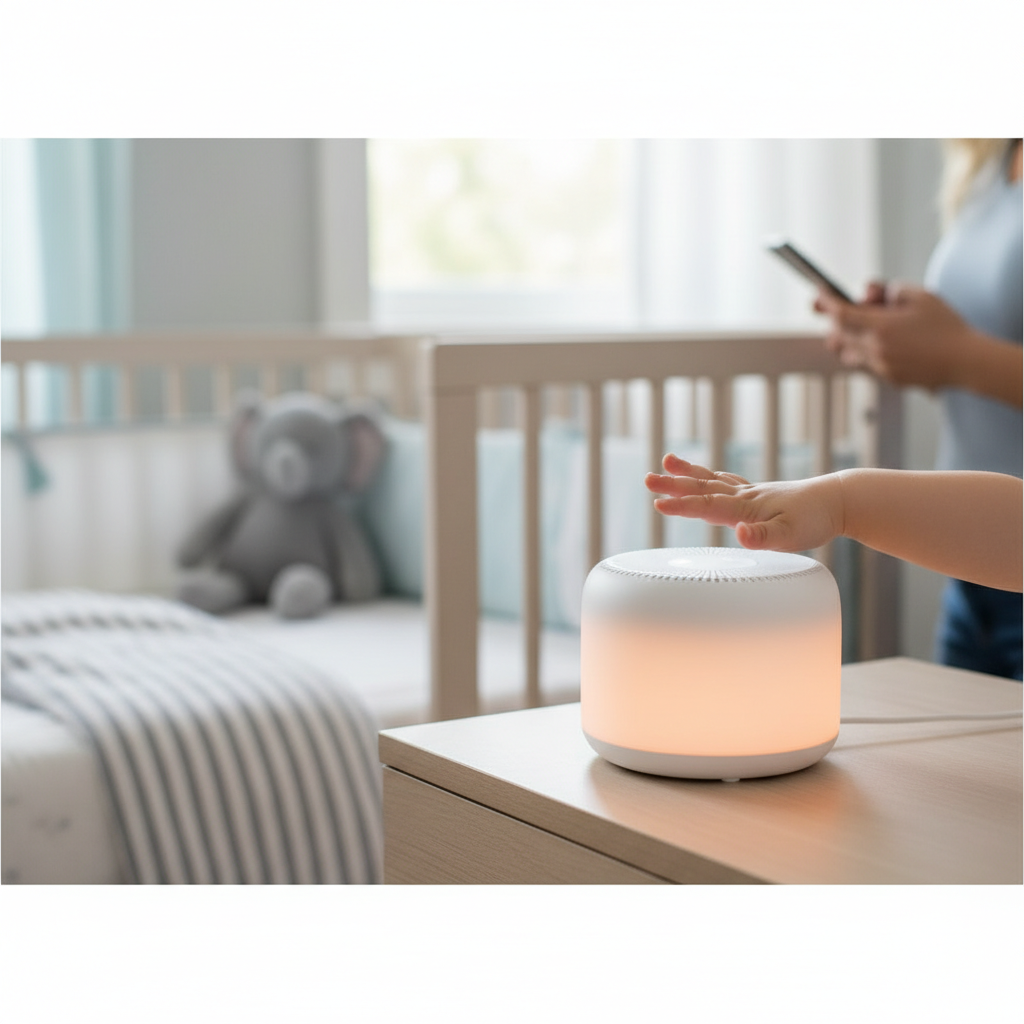
Touch sensor night lights are a specific type of interactive lighting that responds to direct physical contact, such as a tap, swipe, or press, to change brightness, color, or turn on/off. They offer an immediate cause-and-effect experience, empowering children with direct control over their environment.
Sensory lighting encompasses a wider array of lighting solutions designed to provide visual, tactile, and sometimes auditory or proprioceptive stimulation, aimed at either calming or engaging the senses. These can include:
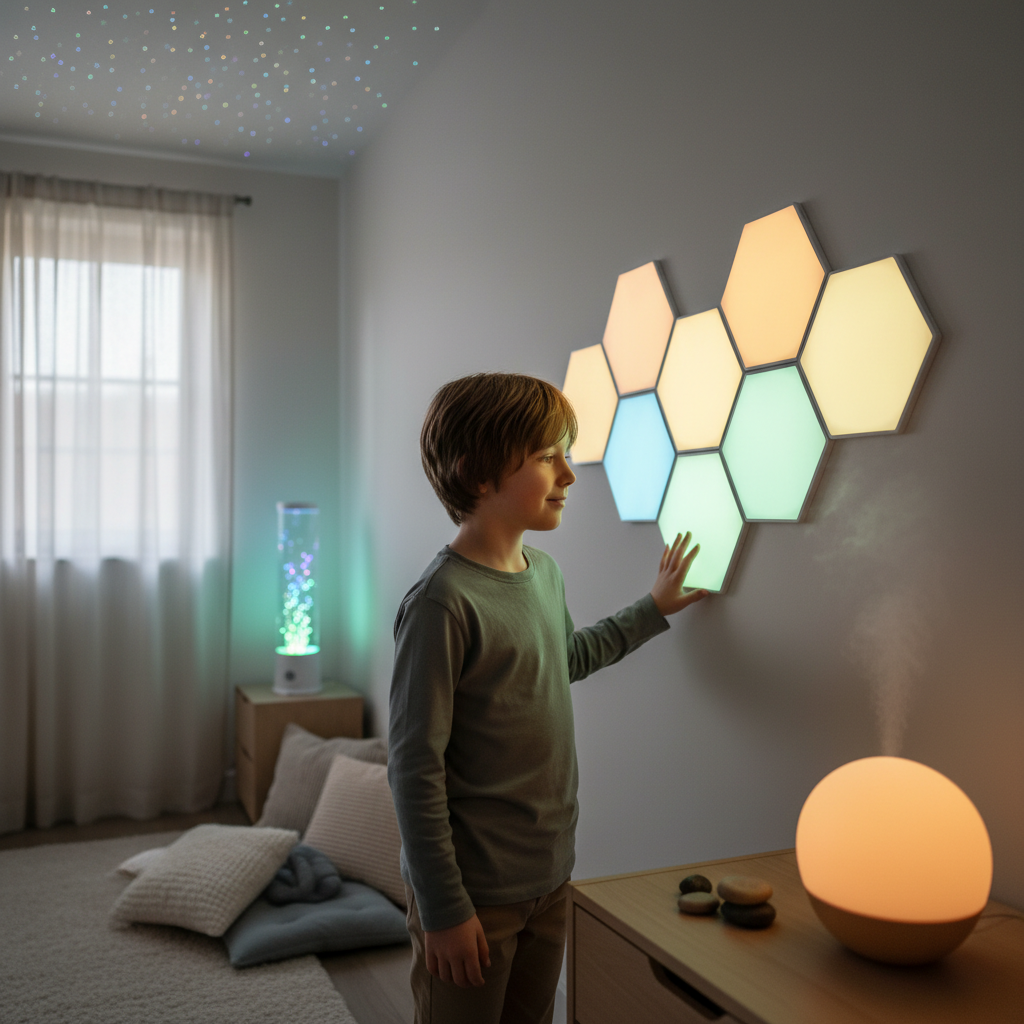
- Interactive Touch Panels: Modular lights, often hexagonal, that change color with touch, promoting visual stimulation and fine motor skills.
- Bubble Tubes/Lamps: Tall, clear tubes filled with water and rising bubbles, illuminated by color-changing LEDs, offering a mesmerizing visual display.
- Fiber Optic Lights: Bundles of thin, cool-to-touch strands that emit gentle, twinkling light, providing both visual and tactile stimulation.
- Projectors/Galaxy Lamps: Devices that cast calming patterns, stars, or moving scenes onto walls and ceilings, ideal for creating immersive environments.
- Color-Changing Sensory Lamps: Freestanding or tabletop lamps with vivid LED colors and dynamic lighting effects, often controllable via remote or touch.
- LED Strips and Smart Bulbs: Versatile, energy-efficient lighting that can be customized in terms of brightness and color, offering flexible environmental control.
- Motion-Activated Night Lights: Lights that turn on automatically when movement is detected, providing guidance in the dark, often with blue-light-free amber or red hues to avoid sleep disruption.
|
Our Picks for the Best Touch sensor night light in 2026
As an Amazon Associate I earn from qualifying purchases.
|
||
| Num | Product | Action |
|---|---|---|
| 1 | EverBrite Rechargeable Round Motion Sensor LED Night Light, Motion Activated LED Night Light with 3 Lighting Modes, Touch Control, 3 Color Temperatures & Dimmable, for Hallway, Bedroom, 2 Pack |

|
| 2 | G Keni Nursery Night Light for Baby, Portable LED Touch Night Lamp for Kids and Adult, Breastfeeding, Sleep Aid, USB Rechargeable Nursing Lamp, Bedside Dimmable Warm Night Light, Soft Eye Caring |
|
| 3 | UNIFUN Night Light, Touch Lamp for Bedrooms Living Room Portable Table Bedside Lamps with Rechargeable Internal Battery Dimmable 2800K-3100K Warm White Light & Color Changing RGB (Regular Size)… |
|
| 4 | MediAcous Night Light for Kids, Baby Egg Light for Nursery, 7 Colors Changing & Stepless Dimming, Soft Silicone Touch Night Lamp with 1 Hour Timer, Rechargeable Nursery Night for Breastfeeding |
|
| 5 | RTSU Rechargeable Mini Touch Night Light, Wireless LED Lamp for Kids - Portable, Dimmable Nursery Lamp |
|
| 6 | Portable Baby Night Light, 3 Colors Egg Light for Nursery, Mini Bedside Table Lamp for Kids Adults, Touch Control & Eye Caring & Rechargeable Dimmable LED Lamp for Nursing, Boy, Girl, Toddler |
|
| 7 | JolyWell Night Light for Kids, Baby Night Light with 7 Colors Changing Mode & Stepless Dimming, Nursery Night Light BPA Free,Rechargeable Egg Night Light for Breastfeeding 1h Timer & Touch Control |
|
| 8 | Portable Baby Night Light, 3 Color Egg Lights for Nursery, 2400mAh, Small Rechargeable LED Lamp, Dimmable Touch Nightlight for Newborn, Toddler, Kids, Adults |
|
| 9 | RTSU Rechargeable Touch Light, DIY Stick Anywhere Led Night Light Touch Lamp Tap Light (Touch Sensor Switch, Stepless Dimmer, Last Setting Memory, Built-in Battery Powered, Warm White Light) |
|
| 10 | Red Night Light for Sleep, 670nm Night Lamp with White Light 3000K-6500K & Timer, Portable Red Reading Light for Bedroom, Touch/Remote Control, 360° Illumination, Stepless Dimmable, Hangable |
|
Benefits of Using Touch Sensor and Sensory Lights
The strategic use of touch sensor and sensory lights offers numerous profound benefits for autistic children:
- Sensory Regulation & Calming: Many autistic individuals experience hypersensitivity to light, making traditional bright or flickering lights overwhelming. Sensory lights, especially those with soft, gentle, and flicker-free illumination, help reduce sensory overload, fostering a calm and relaxing environment. Soft blues, greens, and warm amber tones are particularly effective in promoting relaxation and emotional balance.
- Improved Focus & Attention: By providing controlled visual stimuli and minimizing distractions, sensory lighting can significantly improve focus and attention. This is crucial for engagement in daily activities, learning, and therapy sessions.
- Enhanced Sleep Quality: Sleep disturbances are common among autistic children. Warm-toned lights, dimmable options, and projector lights can signal to the brain that it’s time to wind down, promoting relaxation and aiding a smoother transition to sleep. Blue light should be avoided before bedtime as it can disrupt melatonin production.
- Skill Development: Interactive touch panels and manipulable fiber optic strands encourage the development of fine motor skills and an understanding of cause-and-effect relationships. This direct interaction empowers children by giving them control over their environment.
- Promoting Autonomy & Communication: Allowing children to choose their lighting preferences or interact with touch-sensitive elements fosters a sense of autonomy and self-regulation. Color-changing LED strips can even serve as a non-verbal communication tool for expressing emotions.
- Facilitating Social Interaction: Sensory lights can provide a shared focal point, encouraging joint play, turn-taking, and bonding with peers or caregivers, thereby enhancing communication and social skills.
Key Factors When Choosing Touch Lights and Sensory Lighting
Selecting the right touch or sensory light requires careful consideration of various features to ensure it meets your child’s specific needs and provides a safe, beneficial experience.
Material and Durability
The materials used in sensory lights should be safe, non-toxic, and robust enough to withstand typical child’s play.
- Safe, Non-Toxic Materials: Prioritize products made from BPA-free plastics, silicon, or other child-safe composites.
- Cool-to-Touch Surfaces: For interactive lights like fiber optics, ensure the strands remain cool to the touch, providing a safe tactile experience.
- Secure Mounting: For larger items such as bubble tubes or wall-mounted touch panels, confirm they can be securely installed to prevent accidents.
Sensitivity and Control
The way a light is operated is critical for ease of use and fostering autonomy.
- Types of Sensors: Consider touch-activated lights for direct interaction, motion sensors for guiding movement at night, or remote controls for caregiver-led adjustments.
- Adjustable Sensitivity/Brightness: Dimmable LED lights and smart systems allow for precise control over light intensity, enabling caregivers to start with dimmer settings and adjust as needed.
- Ease of Use: Simple, intuitive controls empower children to manage their sensory input, promoting self-regulation.
Light & Color Features
The quality and color of light are paramount in a sensory-friendly environment.
- Color Temperature: Warmer hues, typically between 2200K and 3000K, are often recommended for calming and relaxation, mimicking natural sunset tones.
- Color Options: Soft blues, muted greens, and neutral earth tones are generally considered soothing and can help lower stress. Adjustable color-changing features can offer variety, but harsh reds and yellows should be used cautiously as they can be overstimulating.
- Flicker-Free Illumination: This is arguably one of the most crucial aspects. Many autistic individuals are highly sensitive to even imperceptible flickers in traditional fluorescent lights, which can cause anxiety and discomfort. Look for lights explicitly labeled as flicker-free or IEEE-1789 compliant.
Power Source and Portability
Consider where and how the light will be used.
- Battery-Powered: Offers flexibility and portability, ideal for travel or moving between rooms. Look for models with rechargeable batteries for sustainability.
- USB vs. Plug-in: USB-powered options can be convenient for use with power banks or computers, while plug-in models offer continuous power without recharging concerns.
- Safe Placement: Ensure cords are managed safely to prevent tripping hazards, especially with floor-standing models.
Additional Features for Enhanced Experience
Many sensory lights come with extra functionalities that can augment their benefits.
- Timers: Useful for setting bedtime routines or signaling transitions.
- Music Integration: Some lamps respond to sound or integrate soothing music.
- Remote Control: Provides convenience for caregivers to adjust settings without disturbing the child.
- Modular Designs: Hexagonal touch panels can be arranged in various patterns, encouraging creativity and problem-solving.
- Projection Capabilities: Projectors can transform a room, creating immersive and calming visualscapes.
Comparing Popular Touch and Sensory Light Options
Understanding the distinct characteristics of various sensory lights can help you choose the best fit for your child.
Detailed Comparison Table
| Feature | Interactive Touch Panels (e.g., Emberela Hexlights) | Bubble Tubes/Lamps | Fiber Optic Lights | Projectors/Galaxy Lamps |
|---|---|---|---|---|
| Material | Durable Plastic | Acrylic, Plastic (water-filled) | Plastic, Fiber Optic strands | Plastic |
| Interaction | Direct touch, remote | Visual, sometimes remote control | Tactile (manipulation), visual | Visual, remote control |
| Light Type | LED (color-changing, dimmable) | LED (color-changing) | LED (soft glow, twinkling) | LED (projected patterns, colors) |
| Power Source | Plug-in | Plug-in | USB/Battery | USB/Plug-in |
| Key Benefits | Fine motor, cause-effect, visual stim., autonomy | Calming, focus, visual tracking | Tactile input, calming, visual stim. | Relaxation, sleep aid, imaginative play |
| Considerations | Secure mounting for wall use | Secure mounting, water maintenance, can be bulky | Strands can tangle if not secured | Can be overstimulating if too dynamic, visual focus |
| Price Range (Est.) | Mid-High | Mid-High | Low-Mid | Low-Mid |
Interactive Touch Panels: These modular lights provide a hands-on experience, allowing children to directly alter their environment with a tap. They are excellent for developing fine motor skills and understanding cause and effect.
Bubble Tubes/Lamps: A classic sensory room feature, bubble tubes offer a soothing, repetitive visual display that can captivate attention and promote relaxation. The gentle movement of bubbles and changing colors can be very calming.
Fiber Optic Lights: These lights are unique in offering both visual and tactile stimulation. The cool-to-touch strands can be safely manipulated, making them ideal for children who benefit from direct sensory input and fine motor exploration.
Projectors/Galaxy Lamps: Perfect for transforming a room into an immersive, calming environment, these projectors can aid in relaxation and provide a gentle visual distraction, often used to help with bedtime routines.
Guide to Selecting the Ideal Touch or Sensory Light
Choosing the perfect sensory light is a personalized journey, as every autistic child has unique sensory preferences. As Dr. Khurram Sadiq, an expert in sensory lighting, wisely states, “What soothes one person might overwhelm another. The key is personalisation, creating sensory environments that are tailored to individual needs, rather than applying a one-size-fits-all approach”.
Understanding Your Child’s Unique Sensory Profile
Start by observing your child’s reactions to different types of light, colors, and brightness levels.
- Observe Reactions: Does your child prefer bright or dim light? Are they drawn to specific colors? Do they show distress with flickering or rapid color changes?
- Consult Specialists: Therapists (OT, ABA) and educators can offer valuable insights into your child’s sensory processing needs and recommend appropriate lighting solutions.
- Prioritize Needs: Determine if the primary goal is calming, stimulating, focus enhancement, or sleep support, as this will guide your choices.
Researching and Reviewing Products
Once you have a clearer understanding of your child’s preferences, dive into product research.
- Look for Specialized Products: Many companies create lights specifically with sensory needs in mind.
- Read Reviews: Pay close attention to feedback from parents and caregivers of autistic children regarding product effectiveness, safety, and durability.
- Compare Features: Use the factors discussed above (material, control, light features, power, additional functions) to compare different models.
Purchasing from Reputable Sources
Ensure you buy from trusted vendors to guarantee product quality and access to support.
- Specialized Sensory Stores: Retailers focused on special needs equipment often curate high-quality, safe sensory products.
- Reputable Online Retailers: Check reviews and seller ratings on major e-commerce platforms.
- Check Policies: Always review warranty, return, and customer support policies before making a purchase.
Pre-Purchase Checklist
Before finalizing your decision, run through this checklist:
- Flicker-Free Certification: Confirm the light is explicitly stated as flicker-free to prevent sensory distress.
- Adjustable Settings: Verify that brightness, color, and other effects can be easily adjusted to suit varying needs.
- Material Safety & Durability: Double-check that all materials are non-toxic and robust enough for your child’s use.
- Power Source & Installation: Consider whether battery-operated portability or continuous plug-in power is best, and ensure secure installation for stability.
- Test Interactive Features: If purchasing a touch light, test its responsiveness and ease of interaction.
Conclusion
Choosing the best touch lights and sensory lighting for autistic children in 2026 is about more than just illumination; it’s about creating an environment that nurtures their unique sensory needs, promotes well-being, and empowers them to thrive. By understanding the diverse benefits—from calming anxiety and improving sleep to fostering focus and developing essential skills—and carefully considering features like flicker-free illumination, adjustable colors, and safe materials, you can select solutions that truly make a difference. Remember, personalization is key, and the right light can transform a challenging space into a sanctuary of comfort and exploration.
What kind of sensory adventure will you illuminate for your child?
Frequently Asked Questions
Are all sensory lights safe for autistic children?
While many sensory lights are designed with safety in mind, it’s crucial to check specific features. Prioritize lights that are flicker-free, made from non-toxic materials, remain cool to the touch, and can be securely mounted to prevent accidents. Always read product specifications and reviews carefully to ensure they meet safety standards.
What colors are best for calming autistic children?
Soft, cool colors like blues and greens are often recommended for their calming properties, helping to reduce stress and promote relaxation. Warm amber tones are also excellent for creating a soothing environment, particularly before bedtime, as they do not disrupt melatonin production. It’s generally advisable to avoid harsh reds and bright yellows, which can be overstimulating for some children.
Can touch lights help with sleep for autistic children?
Yes, touch lights and other sensory lights can significantly aid sleep for autistic children. Dimmable, warm-toned lights, especially those that emit amber or red light and are blue light-free, help signal to the body that it’s time to wind down, encouraging melatonin production and a smoother transition to sleep. Incorporating a consistent light-based routine can also create a predictable and comforting bedtime experience.
How do I introduce a new sensory light to my child?
Introduce new sensory lights gradually. Start by setting the light to a soft, neutral, or preferred calming color and low brightness. Allow your child to explore it at their own pace without pressure. Observe their reactions and adjust settings based on their comfort and engagement. You can also model interaction with the light to demonstrate its features.
What’s the difference between a touch light and other sensory lights?
A touch light is a specific type of sensory light characterized by its direct interactive control, where users physically touch the device to change its settings or activate it. Other sensory lights encompass a broader category, including items like bubble tubes, fiber optics, or projectors, which provide visual or tactile stimulation but may be controlled via remote, buttons, or other mechanisms rather than direct touch.